In the late 1960s, a wave of urban uprisings erupted across American inner cities. Fomented by systemic injustices—ranging from police violence, economic deprivation, and food insecurity to inadequate healthcare, substandard housing, crumbling infrastructure, and institutional disenfranchisement—African Americans, occasionally alongside other marginalized groups, took to the streets demanding change.
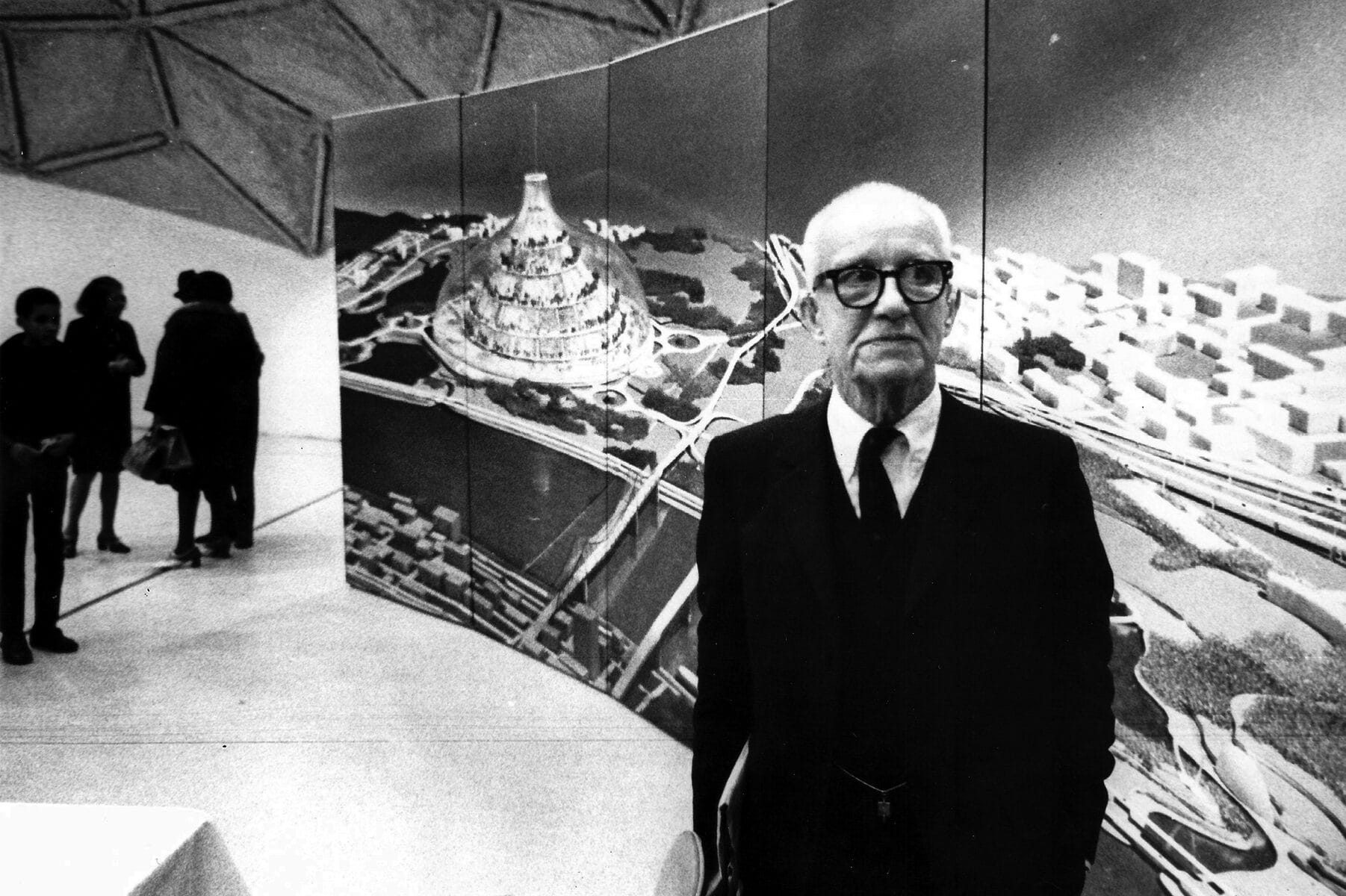
Through the lens of a series of urban design projects involving collaborations between local activists and R. Buckminster Fuller, my study investigates the underlying nexus of laws, regulatations, and administrative practices that produce and sustain spatialized forms of discrimination. First, it excavates the official rationalizations of urban unrest, which frequently relied on biological, behavioralist, or psychological frameworks, and juxtaposes these with the administrative and policy mechanisms that materially structured urban inequality. It then traces the spatial and social consequences of these frameworks, manifesting in urban planning, architectural design, and housing typologies, as well as in welfare policy, educational access, criminalization practices, and gendered roles. Finally, the study reconstructs the genealogy of a number of collaborative projects involving Fuller that sought to identify, critique, and intervene in the dominant spatial and administrative ordering mechanisms. By writing this multi-perspective histoire croisée, this study repositions these projects, often labeled utopian, as socially engaged manifestations of late modernism or, in some cases, early expressions of Afrofuturist thought.