Lecture by Hannah le Roux [University of Sheffield],
#6 of the Lecture Series Organizing Architectures: Coloniality
“The People’s Workbook: Working together to change your community”, was published by South African anti-apartheid activists to support people displaced by apartheid as it dispossessed rural Black communities of traditional land. Intended to empower these victims of forced removals to the Bantustans, instructed by outreach officers, the workbook represented the transition from in situ agricultural projects of missionaries and colonists to replicable techniques.
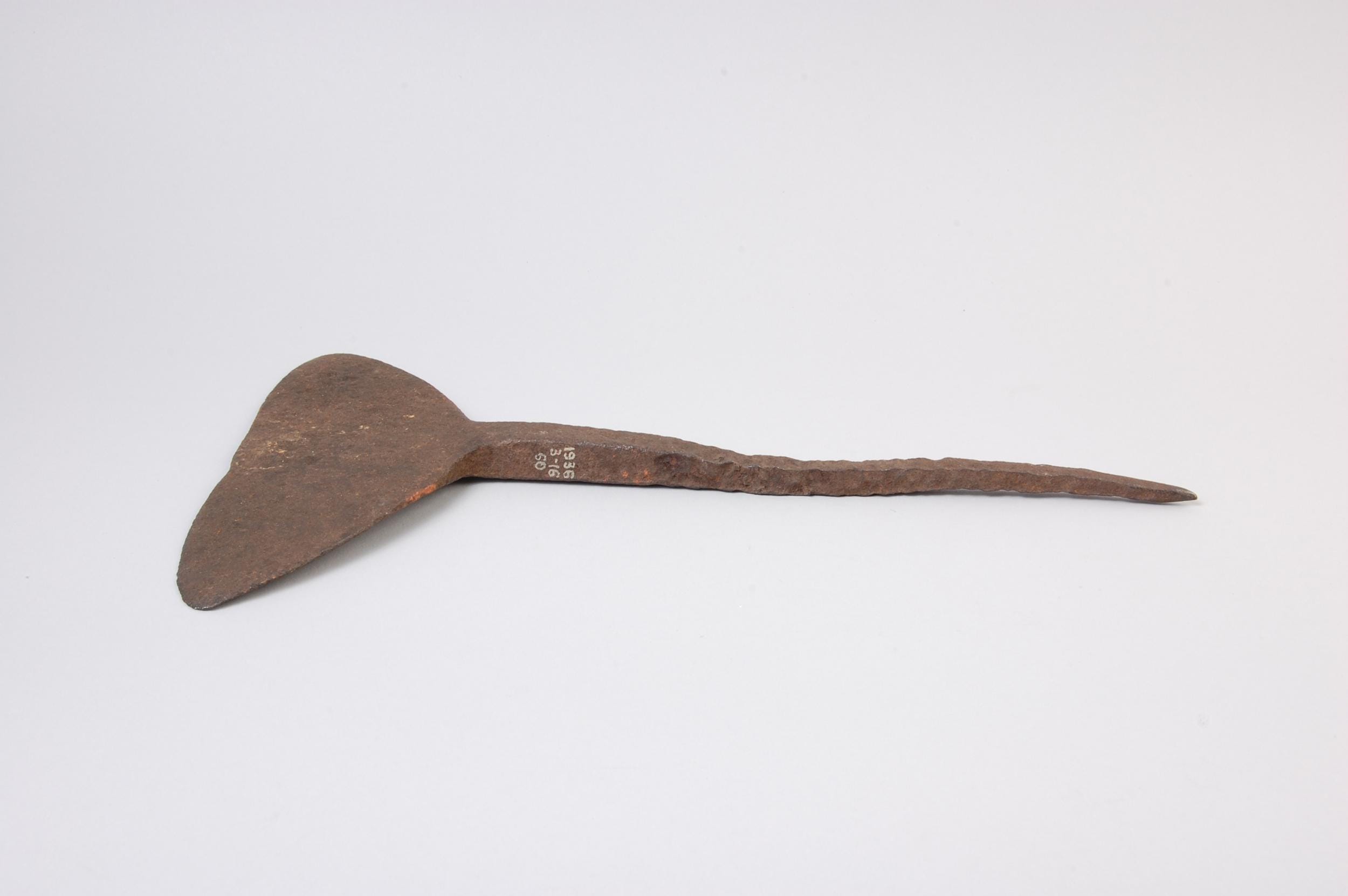
The talk considers the workbook’s graphic visualisations, and the way it mapped the stages through which a generic homestead could be established and sustained. In contrast to these images reproducing labour, a graphic essay shows women at work before colonisation. They use field-hoes, or “amageja” in Zulu. This frame is at odds with the sequenced and captioned visual content in the balance of the workbook that show how to do rural labour such as farming.
I argue that the techniques illustrated subtly displace knowledge already embedded in material cultures of tools, indigenous plants, and their processing, and that the Manual would struggle to reproduce. With attention to the microtechnés it codes as productive, we can read how this Manual – amongst others like it – represents development space as something dispersed, as well as the ontologies lost beyond it.
The lecture will be in English. Free admission, no registration required.
Members of the Architektenkammer Hessen (AKH) can earn 2 credit points for participating.
24 June 2026
7 – 8:30 p.m.
TU Darmstadt, Schloss
Room: S3 I 13 10