Lecture by Gabriela Ornelas
Public spaces full of life are the dream of most urban planners. Since the 1960s, this theme has gained momentum and broadened the understanding that urban design can impact the use of streets, parks, squares, and sidewalks. The liveliness of a public space relies on distinct motives for people to leave home in different times of the day and the adequacy of available physical features. Not only its aesthetic composition, but also the layout of streets, the size of blocks, the uses of ground level, and the orientation and height of surrounding buildings. By facilitating or hindering the use of public spaces, spatial configuration generates patterns of movement and, consequently, of co-presence. In cities with great cultural and social diversity, patterns of co-presence form distinct landscapes that help shape our worldview, what we identify with, and what we want to experience in society. Architects and urban planners are often optimistic about the results of urban diversity, but is this positivity inherent to good design? In this talk, I will address the role of the configuration of public spaces in the construction of distinct landscapes of co-presence.
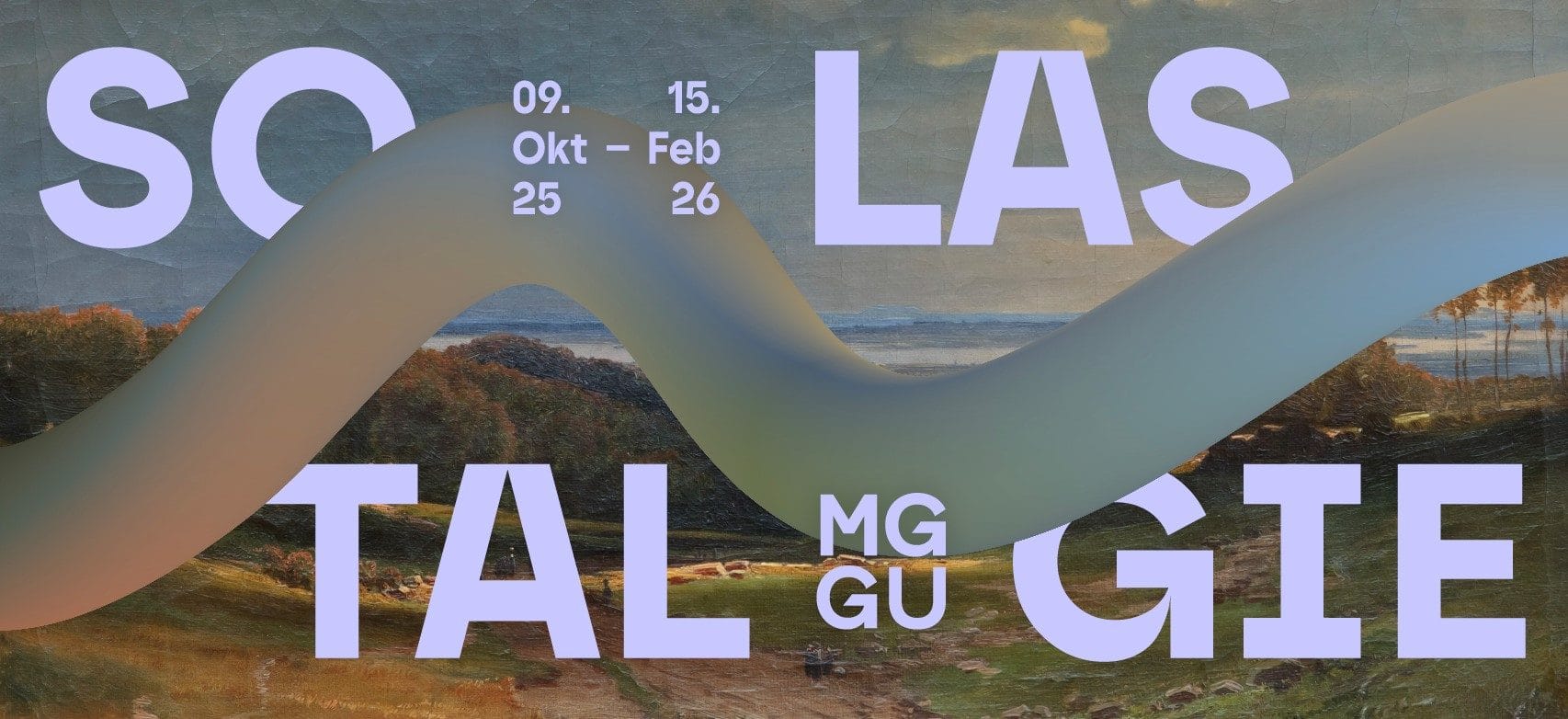
In the scope of the exhibition SOLASTALGIE, the lecture series “Walks through living landscapes. Perspectives from three positions” has been conceived by Daniela Ortiz dos Santos, Carsten Ruhl, and Tim Pickartz through a collaboration between the the Center for Critical Studies in Architecture (CCSA) and the Museum Giersch der Goethe-Universität (MGGU).
The lecture will be held in English.
Free of charge / No registration required.
21 January 2026
6 p.m.
Museum Giersch der Goethe-Universität
Schaumainkai 83
60596 Frankfurt am Main