Lecture by Dr. Ateya Khorakiwala [Columbia University, Graduate School of Architecture, Planning and Preservation], #8 of the Lecture Series Organizing Architectures: Coloniality
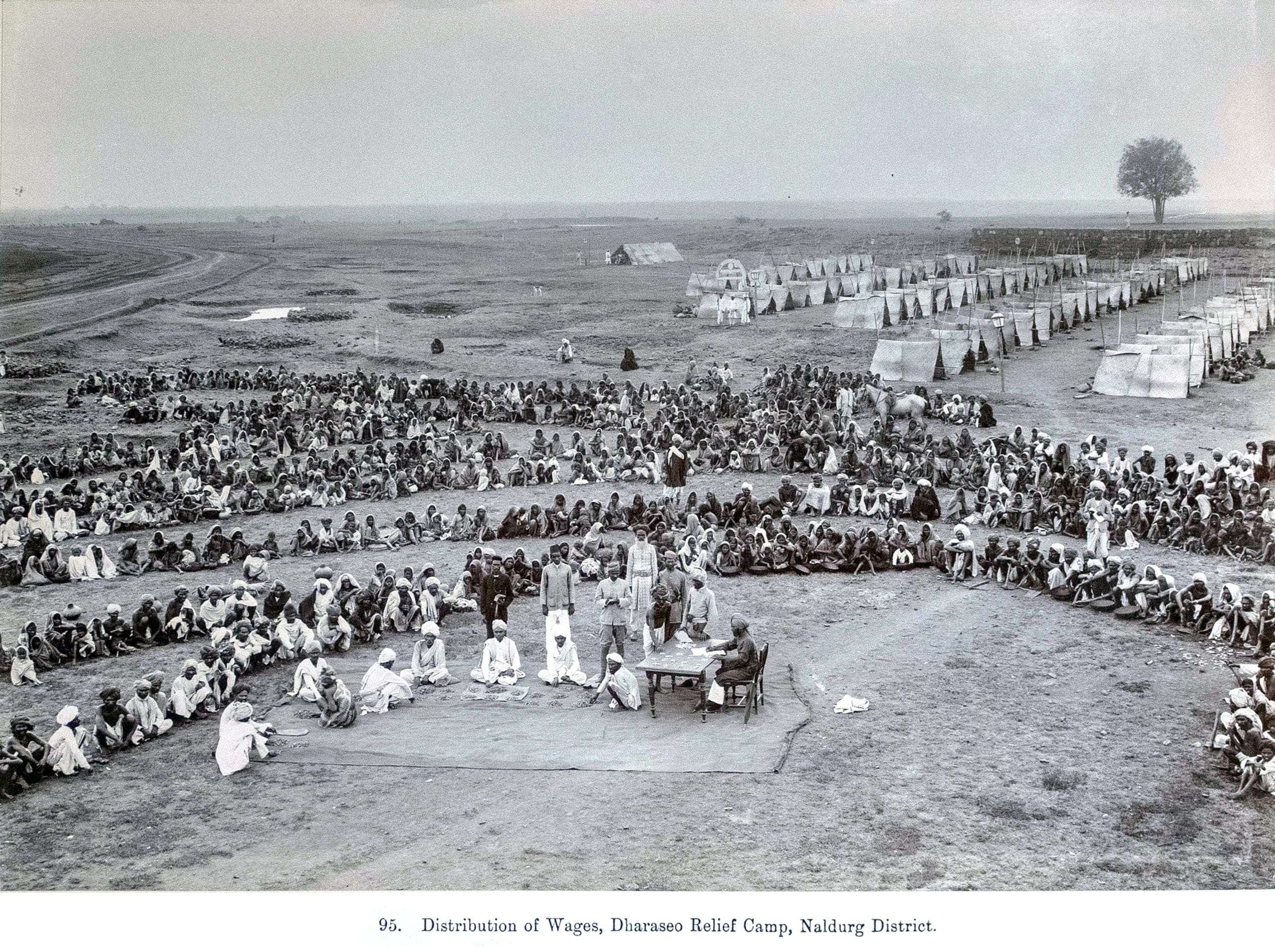
Famine was near endemic across the long nineteenth century in rural India. This talk considers an unexpected metabolic relationship between two late-nineteenth century administrative departments—the building codes of the Public Works Department and the famine codes of the Land Revenue Department—in relation to famine relief. The computational logics of the latter were built on the quantitative focus of the former. The resulting architectural and spatial forms prescribed for famine relief works continually tested the capacity of workers to determine their condition of health: on how little food can a body work, survive, or thrive? Architectural techniques enforced utilitarian principles of quantity and time: not too much food, and given not too soon. Mining the archive of documents of famine—inquiry commissions, codes, reports, famine papers, and the diaries and biographies of administrators—this talk argues that public works and famine were intimately intertwined, not in how they counteracted the effects of each other but rather in how they worked together to remake the countryside and the relationship between administration and peasantry in the late nineteenth century up until the end of colonial rule.
The lecture will be in English. Free admission, no registration required.
Members of the Architektenkammer Hessen (AKH) can earn 2 credit points for participating.
15 July 2026
7 – 8:30 p.m.
TU Darmstadt, Schloss
Room: S3 I 13 10